How Vitality used flameZ’ unorthodox playstyle to turn him into one of the best players in the world
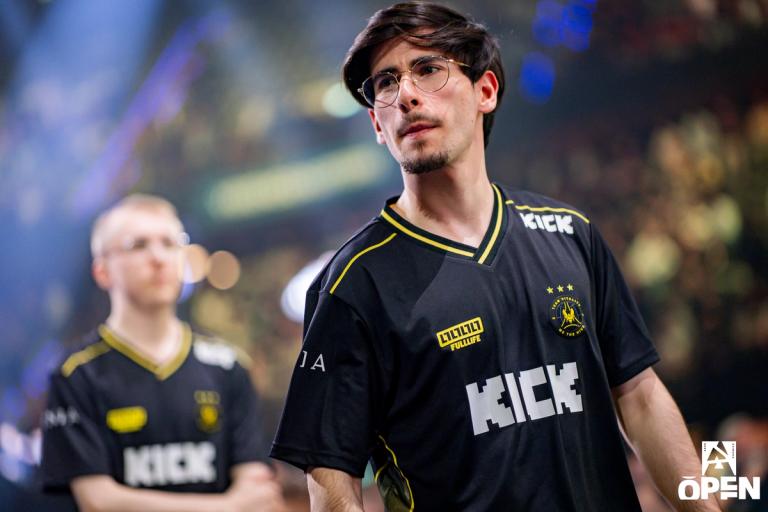
In many ways, flameZ is a player who breaks the mould in the context of 2026 Counter-Strike.
Where most teams put their aggressive stars in premium CT spots, flameZ finds himself in more anchor spots on the CT side, with captain apEX occupying those rotator roles instead.
Not just that, but before this year, where he now takes 32% of Vitality’s T side opening duels, flameZ was only taking 29% before - a low number when compared to the aggressive stars of other top teams.
It’s this slightly off-meta playstyle that has turned flameZ into one of the best players in the world, with Vitality smartly creating comfort by adapting roles to flameZ, rather than expecting them to work purely on the basis of his being a good player.
Entry vs Opener
The meta, and as an extension of that, the terminology used in Counter-Strike changes frequently. Often subtle and unnoticeable without looking at the game in the context of eras or staring at demos all day, it’s the type of change that saw the old-fashioned entry be replaced by the newer style opener.
Think of donk, xertioN, kyousuke. These are all players who are tasked with being the tip of the spear for their teams, to fight aggressively in the early rounds and find opening duels, either to win them themselves, or to be traded and get a 4vs4 situation for their teammates.
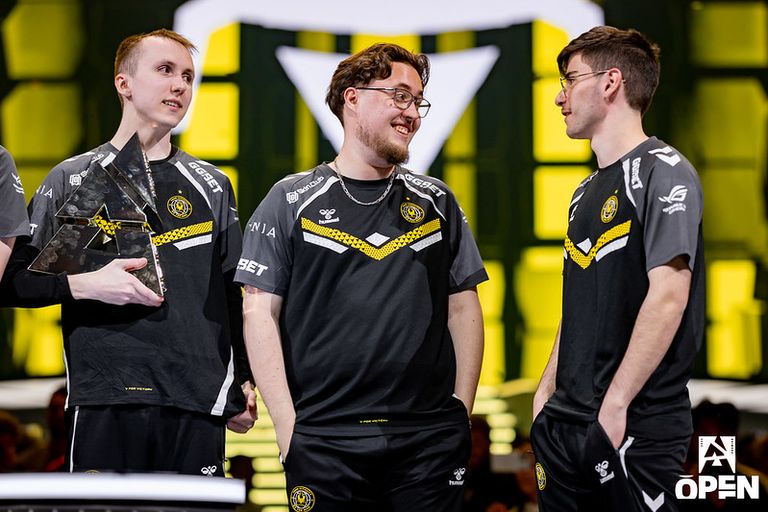
Every top team has one, but at least until 2026, when they have put more emphasis on flameZ finding these openings, Vitality utilised theirs differently.
Instead of being a purely brute force weapon at the beginning of rounds, Vitality often saved flameZ for the end of a round, preferring to unleash him on bombsite hits and use his strengths as a more traditional entry fragger. A usage that, considering he ended the year rated as the seventh best in the world by HLTV, is particularly impressive when you consider the fact that “bombsite entry” is a role that is typically considered unglamorous by modern standards.

Why the Cologne Major could be the biggest event of blameF’s career
But it’s also a role that flameZ took great pride in doing. In an interview with esports.net back at the StarLadder Budapest Major, he said, “There are players that do the opening role better than me, but I do the entrying role better than them.”
“I have the confidence that the strats are built around the entry pathing. Maybe they’re not there for me to get a kill or do something crazy, but for me, gaining the info and making the sacrifice gives me the confidence, and I’m happy to do it. Me doing that gives my team a lot of space, so I’m happy to do it.” - flameZ, via esports.net
Of course, Vitality have adapted slightly in 2026. flameZ has gone from taking fewer opening duels than many of his contemporaries to taking narrowly more than donk (32% versus 31.8%), but this is an adaptation that has paid off - flameZ T side rating has increased to 1.20 so far in 2026, as opposed to 1.10 in all of 2025.
Even with this adaptation, though, which is more reflective of Vitality’s constant changing in order to maintain their spot at the top, it shows how the team is constantly looking to find comfort for one of their most impactful stars.
The aggressive anchor
The bigger consideration for Vitality’s unorthodox usage of flameZ comes on their CT sides.
When he was signed from OG, flameZ had been doing what many would expect him to, playing in rotator roles, and being used to prevent T side assaults before they even begin. Given that he replaced dupreeh on the team, it was expected flameZ would do the same, but that very quickly changed.
“I think in the past it was dupreeh short, Spinx Connector, and apEX B Anchor, and when I joined, I came, and I thought, ‘Wow, it will be perfect. Spinx can go back to his favourite position on Short, I can go to Connector, and apEX will play B if he likes it,’ but then they changed it.” - flameZ, via BLIX.gg.
That change was unexpected for many in the community, and in the same interview with BLIX at IEM Cologne 2024, flameZ himself admitted he was finding the transition difficult.
“The CT sides are a weird transition. Some of them I feel very comfortable with, but some I still need to find myself.” - flameZ, via BLIX.gg
Vitality did end up helping flameZ find himself, doing so by utilising his naturally aggressive playstyle in a way that made attacking their Mirage A bombsite a nightmare.

Don't get carried away: MOUZ's Astana debut is promising but there's a long way to go
Often found fighting Palace or Ramp, in 2026, no Mirage A anchor makes more “control attempts” than flameZ. In addition to this, only NAVI’s b1t ends up spending less time actually on the bombsite than flameZ.
This is a strategy that is used across Vitality’s map pool. When the above graph is expanded onto all maps, flameZ falls back to the middle of the pack for off-site time, but his control attempts are far higher than any other big site anchor.
Working for your players
It’s this adaptability from Vitality that have made them so successful in the past few years. Instead of doing what many other teams would do, and just hoping flameZ would adapt to his new roles, they have adapted strategies to him - it’s the idea of working for your players, rather than making them work for you.
Countless times over Counter-Strike’s history have we seen the same old story: a young player gets a move to a big team, gets asked to play more supportive, less starring roles, and suffers for it.
enkay J on Neityu: "I believe he is the best solution"
But Vitality flipped the script on that story, putting flameZ in those more supportive roles and still treating him as a star, with apEX instead offering support from what would typically be called the star roles.
It’s a lesson that many teams still need to learn from, but perhaps their refusal to is what keeps Vitality so far ahead.