How to play Magnus in Dota 2 Patch 7.38
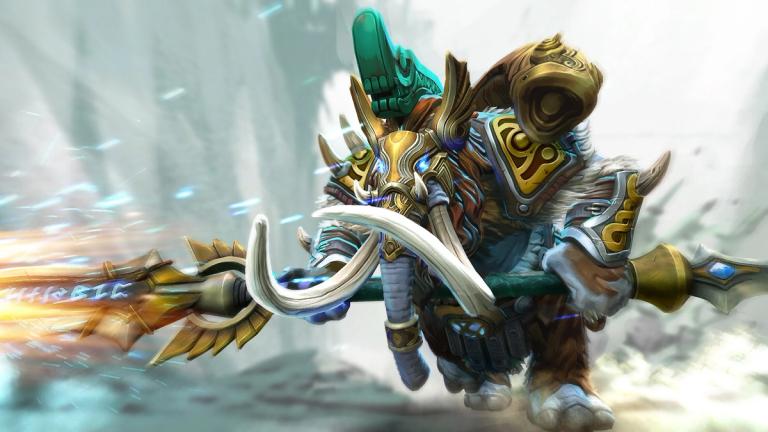
Magnus is one of the most impactful initiators in Dota 2, renowned for his ability to control team fights and create game-winning moments with his ultimate, Reverse Polarity.
In the most recent patch, 7.38, he received a new facet, Eternal Empowerment, making him a stronger safelane option than ever before. This upgrade allows Magnus to excel in all core roles, making him a highly versatile pick.
In this guide, we’ll break down why Magnus is such an irreplaceable hero in pub games and what makes him a must-pick across different roles.
What makes Magnus Strong
Magnus is a strong pick in many situations thanks to his versatile playstyle and game-changing team fight potential. In patch 7.38, this is truer than ever.
He has two facets: Eternal Empowerment and Diminishing Return, both of which are powerful in their own ways. Each facet serves a distinct purpose, allowing Magnus to excel in different roles.
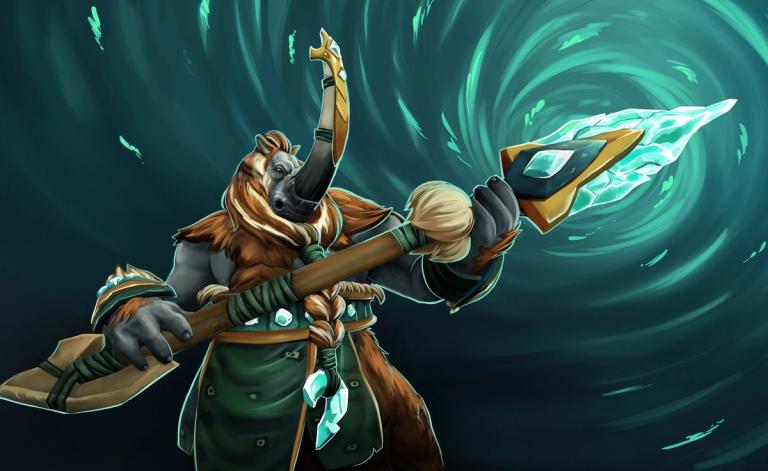
With Eternal Empowerment, Magnus’s second ability, Empower, is permanently active on him. Additionally, each subsequent attack increases its power, enabling him to clear camps efficiently and gain a stronger laning presence.
Even in unfavourable matchups, this facet allows Magnus to secure and push out waves with ease. His first ability, Shockwave, further helps him secure the ranged creep, after which he can rotate to the jungle for additional farm once the wave is pushed.
Meanwhile, Diminishing Return is a reliable facet for Magnus in the offlane or as a support. It enhances his ability to reposition opponents, as Shockwave now returns to Magnus’s location when maxed out, making it easier to disrupt enemy positioning.
With the Diminishing Return facet, Magnus can use his third ability, Skewer, more effectively. An additional Blink Dagger pickup ensures that he can jump in and out of fights with ease while making life difficult for his opponents with his repositioning prowess.
If enemies decide to engage on him, he can simply use his ultimate ability, Reverse Polarity, to pull them together and stun them. This sets up the perfect opportunity for his team to follow up with damage and potentially wipe out the entire opposing lineup.
Itemisation
If desired, Magnus can build aura items, but this approach significantly reduces his potential as a core or damage dealer. Moreover, it comes with risks, as relying on aura itemisation forces Magnus to depend entirely on his team for damage output.
Nevertheless, as Magnus gains more popularity as a safelaner, here’s a look at the most common item builds used by top players in high-level pubs. However, keep in mind that his itemisation largely remains the same, regardless of his core role.
Players typically start the laning stage with a Quelling Blade, Ironwood Branches, and Tangos. Sometimes, they upgrade Ironwood Branches into a Magic Wand.
Mangoes and Infused Raindrops are also purchased in unfavourable lane matchups, as they allow Magnus to spam Shockwave without worrying about mana.
Power Treads are the preferred boots for Magnus. After boots, players usually rush Echo Sabre or, in most cases, go directly for Harpoon. Sometimes, they pick up Mask of Madness (MoM) for faster farming. MoM can also be disassembled, as one of its components overlaps with Echo Sabre.
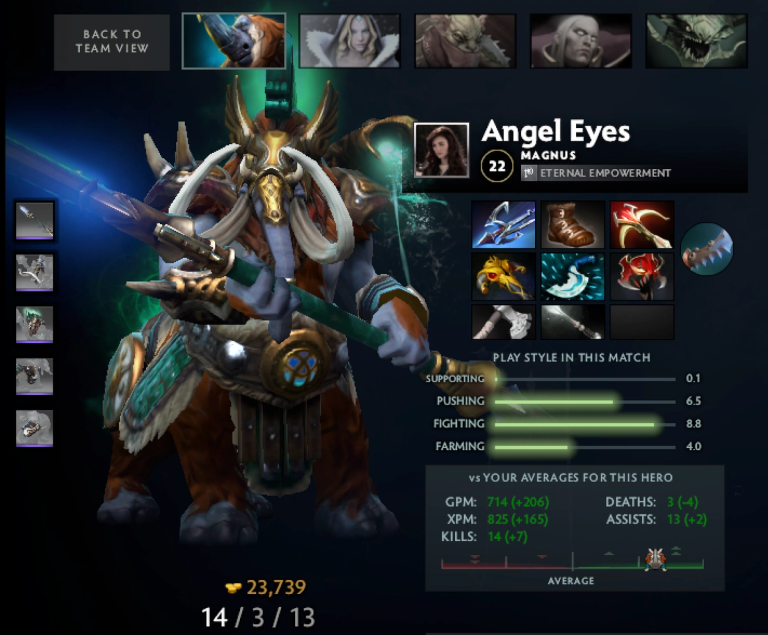
After Echo Sabre, the second core item for Magnus is Sange and Yasha (S&Y), which provides everything he needs—from attack speed to status resistance.
Once S&Y is completed, players upgrade Echo Sabre into Harpoon if they haven’t already. Otherwise, they proceed with either a Blink Dagger or a Black King Bar (BKB).
Blink Dagger, when combined with Harpoon, allows Magnus to easily Skewer a key enemy target into his team. Black King Bar is the preferred item when facing multiple lockdown abilities. Most often, both items are purchased, but the order depends on the match.
After these core items, players pick up Daedalus on core Magnus, ensuring a guaranteed kill when an enemy is Skewered or caught by Reverse Polarity (RP).
As a fifth item, Satanic is a strong choice, significantly enhancing Magnus’s survivability when caught while initiating. This item also provides a massive lifesteal, offering strong turnaround potential when activated.
Finally, players round off Magnus's build with a Refresher Orb. With double RPs, Magnus becomes a massive threat in late-game skirmishes, often making his ultimate the deciding factor in his team’s victory.
Situational items on Magnus include Silver Edge, Mage Slayer, Assault Cuirass, Scythe of Vyse and Abyssal Blade.
Tips for Playing Magnus as a Safelaner
In patch 7.38 meta, Magnus is often played as a safelaner in most pub games. As such, players should remain patient and focus on farming rather than actively seeking skirmishes.
When the opportunity presents itself, they can join fights. However, in most cases, simply farming and waiting for key item timings will make Magnus a huge threat.
Skewer is also an excellent escape tool in tough situations. Therefore, investing an early point in this ability during the laning stage is wise, as it helps Magnus avoid ganks.
Contrary to popular belief, landing a single-hero Reverse Polarity (RP) is often more impactful than trying to hit all five enemies. While pulling in the entire opposing team may seem flashy, it is usually unnecessary.
Instead, when playing safelane Magnus, when an isolated key target can easily be eliminated with RP, go for it. This relieves pressure from your teammates and allows them to secure the fight with follow-up damage.
If there are melee heroes in the team’s composition, try to cast Empower on them before a skirmish. This will boost their damage output and can often be the difference between securing a kill or missing one.
Additionally, it helps build trust and confidence among teammates. As a safelaner, Magnus holds a 50% win rate across 1,755 matches.


 Natus Vincere
 Natus Vincere
 Xtreme Gaming