T.c "It's harder [in tier two] than it is in tier one"
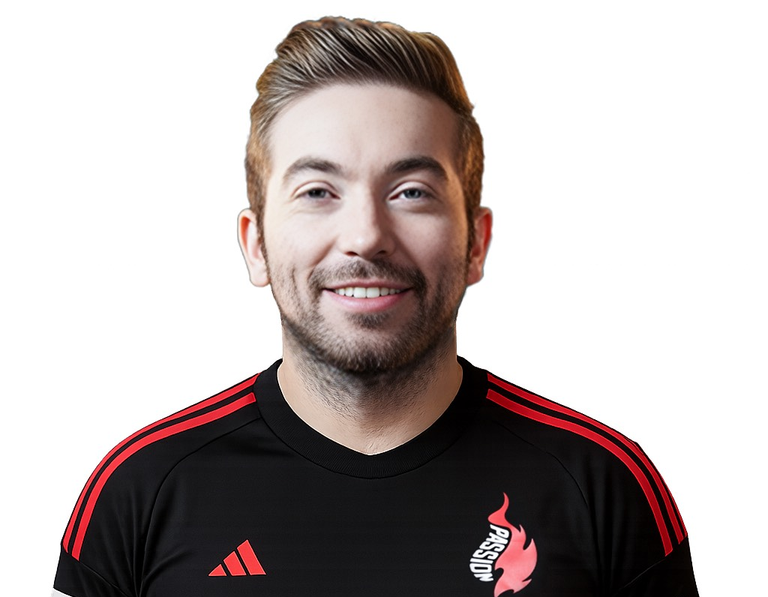
In a year of shocking and confusing roster moves, perhaps none raised eyebrows more than T.c to Passion UA.
The South African coach, who previously spent years working with Complexity, moved to the Ukrainian team following his release from the North American organisation, and has since helped rebuild the project following the departures of fear and jambo to fnatic.
Ahead of Passion UA's return to tier one action at BLAST Bounty Season 2, we sat down with T.c to discuss how the move came about, communication issues on the team, and the differences between coaching a tier one NA team and a tier two EU team.
"There's definitely some cultural differences that we've seen and encountered"
It's the start of the new season, but you've already played some games, so how are you feeling coming into your first full season as the coach of the team?
We actually didn't have a long break, so we're trying to get used to the shorter player break because we only had a week or ten days before we started again.
But at the end of the day, we just have to get straight back to it. The only thing that matters nowadays is getting VRS points, so we just have to play as many tournaments as we can to hopefully make sure to secure enough points for the Major.
There's been some surprising moves this year, but you going to a Ukrainian team might be the most surprising of them all, how did it all come about?
[laughs] Yeah, it's obviously a bit of a random one having a South African coaching a full Ukrainian team, right?
But yeah, it was via mutual connections, because I spoke to the CEO of Passion a while ago when they got into the game. The previous owner of Extra Salt was friends with him and he connected us so I could help him with any questions he might have back when they were starting up.
As soon as I was released from Complexity they reached out to me to find out if I was interested because they were starting to rebuild their project, they'd just lost fear and jambo to fnatic, and they wanted a fresh start.
It was pretty random, but very fortunate that I had a good opportunity fall into my life at the time.
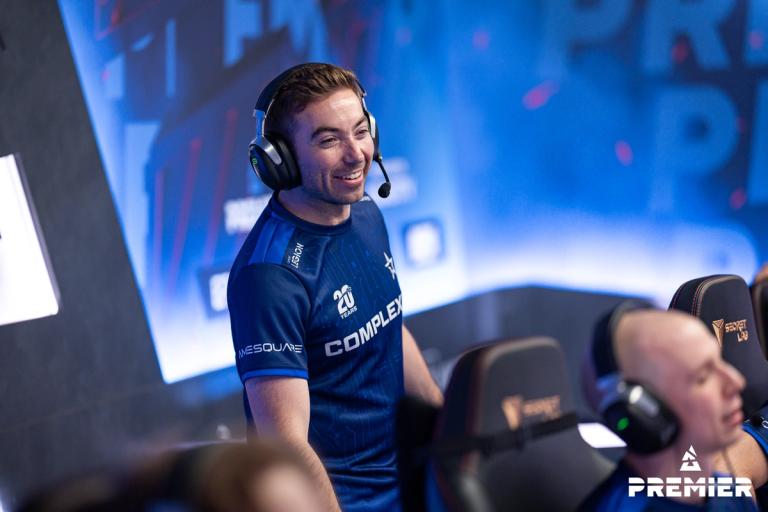
You've been part of that rebuilding process, how has it been so far?
I had to pretty much jump straight into it seeing as it was the middle of the season, and there wasn't really much time to build much up before the tournaments started, so last season was long hours and a lot of events. We pretty much did what we could with the limited amount of practice we had, just building foundations for the team and some structure. We pretty much just played off of that.
It's definitely not ideal circumstances, obviously I'm more used to having more time to set things up, but we've been doing the best with what we've got and now heading into this season we've had slightly more practice time.
But, at the end of the day, life still happens to people, and I'm also learning to deal with the different circumstances. Now it's not having the whole team together at an event or at a bootcamp and everyone is super focused on CS, now people are playing and practicing from home and you have all these kinds of disruptions you have to deal with on a daily basis. Even when you have scheduled practice there's still things that can throw things off or tournaments you have to play in, so like I said, I'm still getting the full hang of the tier two online CS, but we're making the most of it.
What about the communication? How has that been?
The communication is actually fine, but sure, it takes a little bit more time to get the exact message across, I would say. Sometimes there can be a little bit of misunderstanding, or maybe the message gets lost in how it's interpreted a little bit, but I think both parties have learned how to convey our message in the most optimal way.
Sometimes using words in a different way goes a long way, and I've also had to learn that they might not understand certain words and to get better at communicating what I'm trying to say.
At the start, we were fully communicating in Ukrainian, but for me to understand the comms and what they were like, it had to be translated to me afterwards and that obviously took up a lot of time. Now, we've switched to speaking English in practice, so that makes it go a little more smoothly and faster, it's easier for me and the assistant coach to help in that aspect.
When you say you've had to learn to communicate differently, is that vocabulary, or is it also a cultural difference in terms of the tone of how you deliver things?
Oh, yeah, yeah, yeah, there's definitely some cultural differences that we've seen and encountered. Especially in games, the way that people communicate with each other, even if I don't understand the language you can hear by the tone that "ooh, this doesn't sound good."
But no, when I say communicating differently, from my side, it's mostly a vocabulary thing that I've had to learn to use easier words to understand.
In terms of the actual experience of coaching at this level, how are you adapting to the intensity level of no longer being at these tier one LAN events or playing within domestic games in NA? EU CS has so many teams and so many games to be played, how different is that?
It's way different. It was almost strange to get used to, because you play so many online matches. One day we had four BO3s and another day we had a BO5 grand final into a BO3 for another tournament, so obviously, you're still in the mindset of prepping and planning for every map, but sometimes it's just not possible. You actually can't do that at this level, otherwise you'll be working 18 hours a day if you're trying to prep every match, review every match, and still find time to practice, so it's very different than what it is at tier one level.
In that sense as well, especially with the limited practice that we had, it felt like it was a lot easier to get upset and lose to a team you shouldn't be losing to. And in that sense as well, the upsets are more likely because you're playing more matches, it's harder to keep your win rate up than it is at tier one level. We even saw with NIP, they would struggle online but they go to LAN and do quite well.
It's a lot harder to play against all of these teams that don't have as many matches than it is to be in the tier one circuit where you play all the same teams, and you have a set schedule where you know you're going to be practicing for two weeks into a tournament and then into the next one. You just have to find time to practice, because you get to a point where it's just matches every single day and sometimes it's multiple matches.
Considering you always get players talk about how much better officials are than practice, but that practice is needed to perform in those officials, when you have all of these games, do you feel like the necessity of playing them for VRS slows down the actual progress?
To an extent, for sure, but it also depends on the personalities within a team. You get some players that are very comfortable with running new ideas or new strats without trying them, but then there's also certain people that don't want to do that.
It's hard to find the right balance, especially when you have a mixture of personalities. Those people will always try to find something to blame afterwards. It's hard to maintain the balance and actually still progress at a good enough rate if you're playing several matches a day, so in that sense it definitely makes it harder.
There's also a lot of conversation within EU at the moment about players who might be cheating, so is that also a big concern about how it might effect progress or VRS? Have you played any of these teams yourselves?
I think we've been quite fortunate where we haven't run into any of them, or at least no one we think it's super obvious, but of course, you see all the clips going around and some of these online tournaments use different ACs and don't always have cameras on the players monitors.
So yeah, obviously that is always a concern. But for me, the main concern is if it's effecting the players, right? If it's hurting their mentality going into the match, that's more of a concern for me... well, the actual cheating is a concern, too [laughs] but if it's already just hurting their mentality, that's already a problem
But you do have a couple of very experienced players, so how helpful is that to all of these things we've spoken about?
For sure, it definitely helps a lot to have people like Woro2k and DemQQ on the team. Especially at the start when we had so many matches with the limited practice, and especially because Woro IGLed before as well, so he always had some ideas for rounds that are simple, and it's always nice to throw in a couple of them to give some variety.
But then also, in terms of just pushing through the tough days, I think they've also been pretty helpful on that front. But the younger guys are also gems to be working with, they're very hard working and they're putting in a lot of time, I'm impressed with everyone.
Looking ahead to BLAST Bounty, how are you feeling about it?
It's very exciting to be back in BLAST, I was very happy when we got the invite to just have the opportunity to play against some of these teams again. Obviously we won't have a great seed, so we'll see what match we get going into it, and it's a cut throat format, but it's just nice to have the opportunity.
We managed to get our rank up quite a bit, so we just need to maintain the grind and hopefully boost our rank up even more again and hopefully be back in these tournaments soon. But, like I mentioned earlier, it's quite hard to make that final jump because you're playing so many matches, and every online win gets you ten points but then you get upset and you lose 30, so it feels like you've undone all of that progress.
The BLAST Premier Bounty S2 is BLAST's first studio event show as part of their multi-year deal with GamingMalta.