BLAST.tv Major

1. Major supplemental rulebook
1.1 The BLAST.tv Major rulebook works in conjunction with Valve’s Major Supplemental Rulebook. Any conflicts between the two will result automatically default to the Supplemental Rulebook. This can be found here: Major Supplemental Rulebook
2. Definitions and interpretation
2.1. The capitalised terms used in this Rulebook shall, unless otherwise specified herein, have the meanings set out in Appendix 1.
2.2. Any phrase introduced by the terms “including”, “include”, “in particular”, “for example” or any similar expression shall be construed as illustrative and shall not limit the sense of the words preceding those terms.
2.3. Words and expressions importing natural persons include any individual, body corporate, unincorporated body, government, government department, agency and any municipal, local, statutory or other authority.
2.4. Headings are for ease of reference only and do not affect the meaning of this Rulebook.
2.5. The singular includes the plural and vice versa, and words importing a gender includes other genders.
2.6. A reference to a clause, paragraph or schedule is a reference to a clause or paragraph of or schedule to this Rulebook and a reference to this Rulebook includes any schedules.
2.7. Unless specifically stated, each provision of the Rulebook applies equally to online events as LAN events.
3. The Rulebook
3.1. Purpose: The Rulebook (which for the purposes hereof includes all schedules and appendices) is for the benefit of all Tournament stakeholders, including the Teams, the Participants, BLAST and Tournament Partners. The purpose of the Rulebook is to protect and maintain the integrity and competitive balance of the Tournament, and to set out the minimum standards to be expected of all Teams and Participants.
3.2. Acceptance of the Rulebook: The Rulebook shall apply to, and be binding upon, the Teams and all Participants. By participating in the Tournament, all Teams and Participants expressly and unconditionally agree to comply with, and be bound by, the Rulebook and the terms of the Team’s TPA insofar as the same relates to the applicable Teams and Participants.
3.3 Amendments of the Rulebook: The Rulebook and any other rules or regulations imposed by BLAST in relation to the Tournament may be amended by BLAST from time to time and any such amendments shall be binding upon the Teams and Participants.
3.4. Application of the Rulebook: Subject to the ESIC Codes and the application thereof, Tournament Officials will always, to the extent permitted by the Rulebook and the situations presented, resolve any issues and conflicts in a fair, reasonable and proportionate way. If the Rulebook does not cover a specific incident or sequence of events, Tournament Officials reserve the right to rule as they see fit taking into account sportsmanship, integrity, the spirit of the Tournament and applying the principles of reasonableness and proportionality. If necessary, the Tournament Director may take a decision at his/her sole discretion.
3.5. Validity: If any provision of the Rulebook is deemed void or unenforceable in whole or in part, this shall not affect the validity of the remainder of the Rulebook. If a provision of the Rulebook is found to be void or unenforceable, the provision shall apply with the minimum modification necessary to make it valid and enforceable.
3.6. Conflict: To the extent that there is a conflict between the terms of the Rulebook and any of the terms contained in the TPA, then save as set out herein at Clause 2.6 the terms of the TPA shall prevail. In respect of any appeals process to a Sanction imposed by BLAST pursuant to the terms of this Rulebook, the terms of Clause 14.4 of this Rulebook shall prevail over the TPA.
4. Tournament Officials
4.1. Tournament Officials: BLAST shall notify the relevant Teams of the Tournament Officials appointed for each Match.
4.2. Responsibilities: The Tournament Officials are responsible for making decisions and judgement calls on Match play and Tournament related issues which take place immediately before, during and immediately following a Match. These responsibilities include, but are not limited to:
4.2.1. Starting and closing the Match;
4.2.2. Monitoring the Playing Area;
4.2.3. Monitoring the Participants’ behaviour;
4.2.4. Issuing appropriate in-Match Sanctions; and
4.2.5. Making decisions on Match related issues.
4.3. Independence: Tournament Officials shall, at all times, conduct themselves in an appropriate, professional and impartial manner, as befitting the Tournament and BLAST. For the avoidance of doubt, Tournament Officials shall show no prejudice towards any Team or Participant.
4.4. Decision Making: Subject to the application of the ESIC Codes (where applicable) and/or in certain limited circumstances the application of the terms of the TPA, the decisions made and Sanctions applied by Tournament Officials during a Match or otherwise during a Tournament Stage are final and binding on all Teams and Participants unless otherwise provided for herein. Only those decisions that are not Non-Appealable Decisions can be appealed, and the process for such appeal(s) is set out in Clause 14 below.
4.5. Payments to Tournament Officials: Without limitation to the ESIC Codes, no Team, Participant, or any other person acting on their, or its behalf, shall make, or offer to make, any payment whatsoever to a Tournament Official, whether in cash or in kind, and whether by way of fee, allowance or reimbursement of expenses.
5. Tournament Format
5.1. Format: The rules and regulations governing all aspects of the Tournament’s format and qualification mechanisms are set out in the Tournament Mechanics & Qualifications Regulations at Appendix 3.
6. Behaviour and Standards
6.1. Punctuality: Participants are expected to attend all Tournament commitments (including but not limited to team briefings, Matches, signing sessions, fan meets, pre-/post-match interviews and other PR responsibilities) at the specified time prior to their beginning. Delayed start of any such engagements may result in warnings and/or Sanctions including, in the case of a Match, default loss.
6.2. Respect: All Participants must comply with the Code of Conduct and are required to treat Tournament Officials, other Participants, BLAST staff, Tournament Partners, members of the press and fans with the utmost respect. This extends to all equipment and hardware provided by BLAST/the venue and any damage or breakage of the aforesaid items may lead to warnings and/or Sanctions.
6.3. Communication: Participants must use respectful language when communicating with Tournament Officials, other Players, Team Personnel, BLAST staff, Tournament Partners, members of the press and fans. Use of vulgar and/or inappropriate language may result in warnings and/or Sanctions.
6.4. Confidentiality: The Teams and Participants acknowledge that by participating in the Tournament they may have access to certain confidential information, including but not limited to Roster changes, Team news, results of Matches (which shall be considered confidential up until such time as such results are made publicly available by BLAST), information disclosed or covered at Tournament Council Meetings, communications regarding the Tournament disclosed to Teams and/or Participants in circumstances imparting confidence and correspondence between Participants and/or Tournament Officials. The Teams and Participants undertake to hold in confidence all confidential information, and not to disclose such information to third parties and to use such information only for the purposes of participating in the Tournament. In addition, the Teams and Participants acknowledge that in connection with the Tournament, they may have access to BLAST’s and/or other third parties’ (and/or their respective parents’, subsidiaries’, affiliates’ and/or business partners’) confidential information including, but not limited to, business and other non-public information. The Teams and Participants shall not disclose any such confidential information to any third party unless so authorised by BLAST (except as required by law).
6.5. Non-Disparagement: The Teams and Participants shall not at any time make any comments, statements or remarks by whatever means (including online) or engage in any conduct which damages or adversely impacts the goodwill, image, commercial interests or reputation of BLAST, the Tournament and/or any Tournament Partner or other Team and shall not engage in any conduct which brings the Tournament, the Team or the Participants into public disrepute or scandal.
7. Team Matters & Roster
7.1. Team Name: Each Team will be referred to in the Tournament as they are commonly known and shall not include any title sponsor.
7.2. Player and Coach Alias: New players' nicknames are to be registered and represented as they are commonly known in third party esports media (e.g., hltv and liquipedia). Players that have previously registered for a Major event and are using the same Steam account are to use their previously registered nicknames.
7.3. Team Kit & Sponsors: Unless advised otherwise by BLAST, Participants must wear Team Kits during all Matches, and during pre-match and post-match interviews organised by or for BLAST. Each Team shall provide BLAST Team Kit details for the relevant, upcoming Tournament Stage. Teams and Participants may include sponsors’ logos/marks on their clothing and peripherals, save that sponsors from the Blacklisted Categories are strictly prohibited. Furthermore:
7.3.1 No non-Team branded jackets or coats may be worn on stage or in the Playing Area (including being stored on the back of chairs or under the table).
7.3.2 Players and Team Coaches must wear full Team apparel on stage and in the Playing Area at all times.
7.3.3 Players and Team Coaches must wear Team specific trousers (or dark long trousers) and proper shoes on stage and in the Playing Area at all times.
7.3.4 If an item of clothing (such as headwear) is deemed to provide an unfair advantage, the Participant may be required to remove it.
7.3.5. If a Team changes any of its sponsors during the Major cycle, BLAST shall be under no obligation to update or edit any content or other marketing or advertising materials in relation to the Team or the Team’s involvement in the Tournament to take account of such sponsor change.
7.4. Team Regional Assignment: A team’s region is determined by the citizenship of the majority of its players. In case of a tie, the team chooses between the two. In the case of players that don't belong to one of the 3 regions (Europe, Asia, Americas), those players can assign themselves to a region already represented on the roster. If all players are from another region, then they can choose any region.
7.4.1 On a case by case basis BLAST will review any team who has relocated to another region permanently and decide which region they fall under.
7.4.1.1 Teams should contact [email protected] with a request to review which region they play in if they're permanently in another region.
7.5. Broadcasting: Each Participant acknowledges and agrees that BLAST has the right to photograph, record, publish, broadcast, stream, disseminate, telecast, transmit, air, distribute, or otherwise exploit, in any manner whatsoever and in any and all media whether now known or hereinafter invented, all or any part of the Tournament and any services provided by, or image, representation or voice communications of, a Participant or a Team howsoever arising in respect of or connected to the Tournament (including but not limited to the products of such services).
7.6. Team Submission: Team’s must provide the following information to BLAST at least two (2) weeks prior to the RMR and Challenger Stage:
7.6.1. Team name
7.6.2. Player positions
7.6.3. Full names
7.6.4. Nicknames (Alias)
7.6.5. Date of births
7.6.6. Country of citizenship
7.6.7. Email
7.6.8. Steam64 ID
7.7. Eligibility:
7.7.1. The Team’s roster shall consist of five (5) starting Players
7.7.1.1. Team(s) may choose to add one (1) substitute player
7.7.1.2. Team(s) may choose to add one (1) coach
7.7.1.3. The coach and substitute may be the same person
7.7.2. A Player or Team Coach may not be included on a Submitted Roster (and therefore may not participate in the Tournament) if:
7.7.2.1. They are under the age of sixteen (16).
7.7.2.2. They are serving a ban imposed by BLAST and/or ESIC and/or any other applicable authority recognised by BLAST and/or ESIC;
7.7.2.3. The TO will not qualify, nor allow in any qualifying event, any player who has been "Valve Anti-Cheat" banned ("VAC Banned") in CS:GO. Any player who is VAC Banned on any of their accounts must be approved in writing by Valve in order to be eligible to participate in the event. Any team on which a banned player has played during the period starting with the first qualifier and ending with the end of the event, will be banned ("Banned Team"). Valve also reserves the right to disqualify any player, team, broadcaster, commentator, or producer in its sole discretion. The TO will immediately disqualify such person or team upon notice from Valve. Any event winnings by such player or such Banned Team will be forfeit. No player from a Banned Team will be eligible to compete in the event with any other team.
7.7.2.4. They have a direct or indirect financial interest (whether through the holding of shares or otherwise) in any other professional esports team (excluding the Team they represent) participating in any BLAST qualifier or BLAST Premier event.
7.7.3. By participating in the Tournament, all Participants warrant and represent that they are eligible to do so in accordance with the Rulebook and the TPA (and any other rules or regulations connected thereto).
7.8. Team Coach: A Team may submit one (1) Team Coach who is eligible to stand behind the Players in the Playing Area. The Team Coach may only communicate to the Players during tactical timeouts and half time/side switches (including half time/side switches during overtime).
7.8.1. Coaches that wish to call a timeout are to do so by notifying an admin.
7.8.2. In the case of any matches where event admins are not physically present (e.g. online matches), no team staff, including the coach, may be physically or virtually present or communicate with the players at any time during the match.
7.9. Match Line-up: Teams must provide their line-up for their first match within ten (10) minutes of the completion of Vetoes.
7.10. Match Substitutions: Each team can substitute a player with their registered substitute once
7.10.1. A team may make a substitution in-between matches for any reason.
7.10.2. A team may make a substitution during a match or in-between maps only in the case of a medical emergency.
7.10.2.1. Once a substitution has been made, the team can continue to play with the substitute player until they choose to revert to their Core Lineup.
7.10.3. The substitution rules above apply if a team chooses to revert to their Core Lineup.
7.10.3.1. Once the team reverts to the Core Lineup, it may not substitute again for any reason and must play shorthanded or forfeit if the situation arises.
8. Scheduling
8.1. Match Start Times:
8.1.1. As set out in the Tournament Mechanics & Qualifications Regulations, and notwithstanding any other provisions of the Rulebook, BLAST has the absolute right to amend and/or re-order the Match start time listed on the Match Schedule.
8.1.2. A Match start must, so far as possible, adhere to the time specified in the Match Schedule. In the event that the Match start time has been rearranged, the new Match start time shall be published by BLAST. Should a Team require a delay of more than five (5) minutes, a request must be made to the Tournament Operations Manager.
8.2. Duration of Matches: the form, format and duration of Matches are set out in the Tournament Mechanics & Qualifications Regulations at Appendix 3.
8.3. Setup/Warm-up:
8.3.1. In the case of an online match:
8.3.1.1. Players and Team Coaches are required to be Match Ready a minimum of ten (10) minutes before the official start time of the Match. For the purposes of this Rulebook, “Match Ready” means all Players are connected to the game server.
8.3.2. In the case of an LAN (or offline) match:
8.3.2.1. Teams will be provided with at least one (1) hours of setup and warm-up time prior to their first Match of each day. After the Team’s first Match of each day there is no more set up/warm-up time allocated as Matches will follow on from each other in quick succession.
8.3.2.2. Unless a Player or Team Coach is required for other official duties (such as an arena walk-in or interview) all Players and Team Coaches must be positioned at their desk and Match Ready to play at least ten (10) minutes prior to the start of each Match.
8.43 Abandoned Matches: If the Tournament Operations Manager deems it necessary to abandon a Match for any reason then, irrespective of the status of the Match, the result and score of that Match may be determined by the Tournament Operations Manager, in their absolute discretion. The Tournament Operations Manager may also order the Match to be replayed, in which case the Match will take place on a date, and with a start time, determined by BLAST.
8.5. Late Arrival or Failure to Arrive: BLAST takes breaches of Match scheduling very seriously. In the case of a Late Show or a No Show, BLAST is, therefore, entitled to impose Sanctions on any offending Team (who are vicariously liable for the actions of Participants hereunder) and/or Participant, which will take immediate effect. Furthermore:
8.5.1. Except in the case of a Force Majeure, a Team will be deemed to have committed a “Late Show” if, after five (5) minutes before the scheduled Match start time, all five (5) starting Players are not present at the Playing Area and Match Ready.
8.5.2. Sanctions may be imposed on Participants and/or Teams at the discretion of BLAST and based on the length (in minutes) of the Late Show.
8.5.3. Whilst playing offline a Team will be deemed to have committed a “No Show” (and, subject to BLAST’s discretion to rule otherwise, shall automatically forfeit the Match) if, after five (5) minutes following the scheduled Match start time, all five (5) starting Players are not present at the Playing Area and Match Ready.
8.5.4. Whilst playing online a Team will be deemed to have committed a “No Show” (and, subject to BLAST’s discretion to rule otherwise, shall automatically forfeit the Match) if, after five (5) minutes following the vetoes completion, all five (5) starting Players are not present in the Server and Match Ready.
8.6. Forfeit: If a Team wishes to forfeit a Match, for any reason, it must make a formal request to the Tournament Operations Manager for permission to forfeit, who shall make a decision on such request at his or her sole discretion. The Tournament Operations Manager can choose to accept, or reject, the forfeit request, in accordance with whatever conditions they deem appropriate, bearing in mind the overriding requirement to protect the integrity of the Tournament.
9. Technical Specifications
9.1. Technical Specifications: All matters relating to the Game’s technical specifications are set out in the Technical Specifications & Regulations at Appendix 2.
10. Playing Area
10.1. For the case of an Online Match:
10.1.1. Access: Teams are allowed a total of five (5) persons in the Playing Area during the duration of their Match.
10.1.2. Documents: Team(s)/Player(s) may take physical documents such as paper, binders and notepads into the Playing Area for tactical purposes.
10.1.3. Food and Drink:
10.1.3.1. All food must be placed under the table and out of sight.
10.1.3.2. Players must not have any branded drinks within the Playing Area and drinks should not be on display.
10.1.3.3. BLAST reserves the right to ask for the removal of any food or drink from the Playing Area if it deems appropriate.
10.1.4. Electronic and USB devices: Other than gaming peripherals, no Participant may bring an electronic or USB device (including mobile phones, smart watches, tablets, pagers and laptops) into the Playing Area at any point during the Tournament, unless approved by the Tournament Operations Manager on a case by case basis.
10.1.5. Marketing: Save for official sponsors on Team clothing and peripherals, and/or as directed by BLAST, Teams and Participants shall not be permitted to have third party brands within view during an Online Match, and shall not promote or market (or seek to promote or market) any third party brands, including without limitation by directly or indirectly suggesting, or creating, a commercial connection or association between the third party (and its products, services or brand) and BLAST or the Tournament. Any exceptions to this to be agreed with the Tournament Operations Manager.
10.2. For the case of an LAN (Offline) Match:
10.2.1. Access: Teams are allowed a total of seven (7) persons in the Playing Area during pre-match setup. From fifteen (15) minutes prior to Match start, only the six (6) Participants in the Match (five Players and one Team Coach) are allowed in the Playing Area. Tournament Officials may ask non-Participants (e.g. content staff) to leave the Playing Area from thirty (30) minutes prior to the Match starting. Any exceptions to this to be agreed with the Tournament Operations Manager.
10.2.2. Documents: Team(s)/Player(s) may take physical documents such as paper, binders and notepads into the Playing Area for tactical purposes.
10.2.3. Food and Drink:
10.2.3.1. All food must be placed under the table and out of sight.
10.2.3.2. Only water or drinks provided by BLAST/Tournament Partners may be placed on the tables. If a Player(s) wishes to drink anything else they must obtain a bottle or cup from BLAST.
10.2.3.3. BLAST reserves the right to remove any food or drink from the Playing Area if it deems appropriate.
10.2.4. Electronic and USB devices:
10.2.4.1. Other than gaming peripherals, no Participant may bring an electronic or USB device (including mobile phones, smart watches, tablets, pagers and laptops) into the Playing Area at any point during the Tournament, unless approved by the Tournament Operations Manager on a case by case basis.
10.2.4.2. If a Player requires a mobile phone to login to Steam then the Player may bring a mobile phone into the Playing Area solely for that purpose and the mobile phone must then be immediately handed to Tournament Officials.
10.2.4.3. Participants may be subject to random metal detector searches at any time whilst they are in the Playing Area.
11. During the match
11.1. Leaving the Playing Area: Players must not leave the Playing Area at any time during the ten (10) minutes prior to or during a Match without the express permission of the Tournament Officials.
11.2. Leaving the Server: Players must not leave the server during a Match without the express permission of the Tournament Officials. If a Player leaves the server without permission and does not return in time for the next round, no pause will be granted and the Match will continue. The Team may call tactical timeouts to extend the freeze time.
11.3. Tactical Timeouts: Teams may take up to four (4) tactical timeouts during regulation rounds. These may be used in separate rounds or in succession. In the playoffs, timeouts not used will be transferred into overtime. If offline, Team Coaches may communicate with the Players during tactical timeouts.
11.4. Anti-Cheat: In the case of an online Match, all Players and Team Coaches will be notified of what Anti-Cheat they should use. The Tournament Operations manager will inform teams via official channels what Anti-Cheat programs are required in order to be eligible to play.
11.5. Technical Pause:
11.5.1. In the case of an Online Match:
11.5.1.1.Teams are limited to ten (10) minutes total of technical pauses per Map. After this time has run out a Team may use a tactical pause to allow more time to resolve issue(s).
11.5.1.2. If an issue cannot be resolved within the allotted ten (10) minutes, Team(s) can request additional time from the Tournament Operations Manager. This additional time will not exceed five (5) minutes per Map and is used at the Tournament Operations Manager’s sole discretion.
11.5.1.3. Technical pauses may be called at any time but will come into effect at the next freezetime, or immediately if called during a freezetime. The Player who has an issue must immediately notify the Tournament Official in their Playing Area.
11.5.1.4. All communication (including but not limited to text and voice communication between Players and Team Coaches) is forbidden during a technical pause.
11.5.1.5. Players must continue to play out any ongoing round until the pause has come into effect to allow Tournament Officials to make a decision according to the Rulebook.
11.5.1.6. The misuse of a Technical Pause for a non-technical Issue will result in the game being un-paused.
11.5.2. In the case of a LAN (or offline) Match:
11.5.2.1. Technical pauses may be called at any time but will come into effect at the next freezetime, or immediately if called during a freezetime. The Player who has an issue must immediately notify the Tournament Official in their Playing Area.
11.5.2.2. All communication (including but not limited to text and voice communication between Players and Team Coaches) is forbidden during a technical pause. Warnings will be given for first infractions and more severe Sanctions will be imposed for multiple breaches.
11.5.2.3. Players must continue to play out any ongoing round until the pause has come into effect to allow Tournament Officials to make a decision according to the Rulebook.
11.6. Match Interruptions:
11.6.1. Any match interruption shall be immediately reported to the Tournament Operations Manager by the Team and any Participant also affected.
11.6.2. In the case of a technical issue the round will be restarted unless the round has reached the point of incidents.
11.6.2.1. The point of incident is to be defined exclusively by the Tournament Operations Manager, generally this will include either team receiving significant damage, a clear information advantage, or the round has less than one (1) minute remaining.
11.6.3. All decisions made by the Tournament Operations Manager in respect of Match interruption are final and non-appealable.
11.7. Scripts: Except for buy, toggle and jump, all scripts are prohibited. If a Player is unsure on the validity of a script, they should contact the Tournament Officials before usage.
11.7.1. So called “Jumpthrow” scripts and binds are specifically allowed.
11.7.2. r_cleardecals is specifically allowed
11.7.3. Binds that allow the player to drop grenades are allowed.
11.8. Custom Data: Apart from changing of CSGO Skins, Players shall not use any form of custom game file that may be used to manipulate any of the following: huds, crosshairs, scoreboards, player models, weapon models and sprite.
11.9. Unfair Advantage/Cheating: Without in any way limiting the terms of the Code of Conduct or the powers of ESIC, trying to gain any unfair advance during a Match, cheating, or in any way bringing into question the authenticity and/or integrity of a Match or the Tournament (in whole or in part) is strictly prohibited hereunder and will be a punishable offence under Clause 14.3 (in addition to any investigations and/or sanction imposed by ESIC).
11.10. Bugs and Glitches:
11.10.1. Use of bugs or glitches is strictly prohibited and any use of the same will be punished depending on the severity of the case. A bug or glitch includes but is not limited to:
11.10.1.1. moving through clipped areas where movement is not intended by the design of the Map.
11.10.1.2. planting the bomb in a way that removes the planting sound or beeping sound;
11.10.1.3. planting the bomb where the opposing Team cannot reach or defuse the bomb (note that planting where the opposing Team needs a boost from a teammate is permitted);
11.10.1.4. boosting is allowed except where Players are boosted to a position where they can see through/over an area that is not intended with the design of the Map.
11.11. Permitted bugs and/or glitches: these will be communicated to the Teams by Tournament Officials prior to the start of the Tournament and if any Team/Player has a question regarding what they believe might be a permitted bug or glitch, they should ask the Tournament Officials at the team briefing which takes place prior to the start of the Matches in order to clarify the position.
11.12. New Positions: If a Team has found a new position but is unsure of its validity within the Rulebook, they should contact the Tournament Officials before usage to check whether such a position complies with the Rulebook.
11.13. Nicknames: Players must use the nicknames provided on their team sheet which must match the Players’ typically used alias including any modifications (e.g. capitalisation/special characters). If the Player has played a Valve Major, the name used in the Valve Major shall be used regardless. No sponsors are allowed in Player nicknames.
11.14. Communication: During Matches, Players shall not communicate with any person not involved in the Match, even if the Match is paused. Involvement in the Match is limited to Players, Team Coaches and Tournament Officials. In the case of an Online Match Coaches won’t be allowed to connect to the server and communicate with their Team(s) during Matches.
11.15. Chat: Game related chat is permitted, for example asking the health points of an opponent or answering a question by the Tournament Officials. Players shall not advertise or seek to advertise any company, products, sponsors or services.
11.16. Item Name Tags: Players may not use items which have name tags that are vulgar in nature, promote companies/sponsors/partners/services or which violate the spirit of the game (e.g. taunts an opponent).
11.17. Incorrect Buy: Players are responsible for what they buy in-game and no round will be restarted due to a Player buying an item they did not intend to.
11.18. Line of Communication (for Online games): The official line of communication between Team(s) and Tournament Officials will be via the Tournament Platform. All players should go through the Tournament Operator before going to BLAST directly.
11.19. Line of Communication (for Offline games): The official line of communication will be via the Tournament Officials that will be located in a central location and in a Team(s) play area.
12. After the match
12.1. Complaint Procedure: If a Team wishes to file a complaint regarding the result of a Match then they have up to fifteen (15) minutes following the completion of such Match to put forward their case as to why the result should not stand. The Team must provide as much evidence as x possible to support their case and the case must be put forward to the Tournament or Teams Operations Manager. If no case has been made within fifteen (15) minutes after the Match finishes, the result will stand. Where such complaint relates to a Participant potentially breaching the ESIC Codes, the complaint must be made to the Match Official. BLAST shall consider any complaints in good faith and determine a fair and reasonable course of action, taking into account the merits (if any) of the complaint.
12.2. For the avoidance of doubt, no complaints may be made against the decisions of the Tournament Officials during the Match, such decisions being final and non-appealable.
13. Media Obligations
13.1. Media Obligations: All Teams and Participants are required to fulfil their media duties and promotional obligations as more particularly described in the TPA. It is each Team’s and Participant’s responsibility to familiarise themselves with their media/promotional obligations set out in the TPA and comply with the same and failure by a Team or Participant to complete some or all of their media/promotional obligations may result in a warning and/or Sanction being imposed by BLAST, including without limitation the imposition of Penalty Points in accordance with Appendix 5.
14. Integrity
14.1. Code of Conduct: Each Team and Participant shall comply with, and be bound by, the ESIC Code of Conduct, as amended from time to time (the “Code of Conduct”) which is hereby incorporated into this Rulebook by reference. It is each Team and Participant’s duty to familiarise themselves with the Code of Conduct and, by participating in the Tournament, each Team and Participant accepts ESIC’s jurisdiction with respect to the matters covered by the Code of Conduct.
14.2. Betting, Corruption, Inside Information: Each Team and Participant shall comply with, and be bound by, the ESIC Anti-Corruption Code, as amended from time to time (the “Anti-Corruption Code”) which is hereby incorporated into this Rulebook by reference. It is each Team and Participant’s duty to familiarise themselves with the Anti-Corruption Code and, by participating in the Tournament, each Team and Participant accepts ESIC’s jurisdiction with respect to the matters covered by the Anti-Corruption Code.
14.3. Alcohol and Doping: Each Team and Participant shall comply with, and be bound by, the ESIC Anti-Doping Policy, as amended from time to time (the “Anti-Doping Policy”) which is hereby incorporated into this Rulebook by reference. It is each Team and Participant’s duty to familiarise themselves with the Anti-Doping Policy and, by participating in the Tournament, each Team and Participant accepts ESIC’s jurisdiction with respect to the matters covered by the Anti-Doping Policy.
14.4. The Code of Conduct, the Anti-Corruption Code and the Anti-Doping Policy shall together be referred to as the “ESIC Codes" and can be viewed here: https://esic.gg/codes/. The ESIC Codes’ “Definitions" and “Disciplinary Procedure” are also incorporated into this Rulebook by reference both of which can be found here: https://esic.gg/codes/.
15. Disciplinary procedures and Liability
15.1. General: It is the responsibility of every Team and every Participant to comply with this Rulebook (including without limitation the ESIC Codes).
15.2. ESIC Codes: To the extent that a Team(s) or Participant(s) is in breach of the ESIC Codes, the “Disciplinary Procedures” (as defined in the ESIC Codes) shall apply. This shall not prevent BLAST from taking its own disciplinary or other action against the Team(s) or Participant(s).
15.3. BLAST Sanctions: To the extent that a Team(s) or Participant(s) is in breach of this Rulebook (or any other rules, policies or contractual obligations imposed by BLAST including but not limited to the TPA), BLAST shall have the right to impose a range of Sanctions against the offending Team(s)/Participant(s), acting in its sole discretion. BLAST shall impose Sanctions which it believes to be reasonable and proportionate in the circumstances and the severity and nature of the Sanction will be determined by BLAST on a case by case basis. BLAST shall have the right (but not the obligation) to publish its findings and the Sanctions imposed. For the avoidance of doubt, the jurisdiction of ESIC in relation to the ESIC Codes shall not affect or otherwise prevent BLAST from imposing Sanctions against Team(s)/Participant(s) where such Team(s)/Participant(s) are in breach of the Rulebook, and/or any other contractual provisions including but not limited to the TPA and/or the terms of the ESIC Codes.
15.4. Jurisdiction and Appeals: Save in respect of any Non-Appealable Decisions (which are final and non-appealable), Teams and Participants shall have the right to appeal all decisions or Sanctions imposed by BLAST under this Rulebook in accordance with the remainder of this Clause 14.4:
15.4.1. The appeals procedure set out in the ESIC Codes shall apply where: (i) the ESIC Disciplinary Procedure has been initiated (including but not limited to a BLAST-imposed Sanction in relation to a Level 1 or Level 2 offence as provided for in the Code of Conduct); and/or (ii) an appealable decision has been made, or an appealable Sanction has been imposed, pursuant to Appendix 5 of this Rulebook (the Penalty Points System); and/or (iii) an appealable decision has been made, or an appealable Sanction has been imposed, pursuant to this Rulebook which relates to in-Match or in-Tournament matters (including without limitation the imposition of fines and/or deductions in prize money);
15.4.2. For any matters which do not fall within the scope of Clause 14.4.1, the Teams and Participants shall have the right to appeal such decision within ten (10) working days of BLAST handing down its Sanction. Such appeal shall be made to a sole arbitrator appointed in accordance with the Arbitration Rules of Sport Resolutions (UK). A party shall be at liberty to apply to the sole arbitrator for an extension of the timeframes stated for the lodging of an appeal and the decision of the arbitrator shall be binding in this regard. The appeal shall be governed by the Arbitration Act 1996 and Sport Resolutions (UK)’s Appeal Arbitration Rules, which Rules are deemed to be incorporated by reference to this Clause. The decision of the sole arbitrator shall be final and binding on all concerned. Each party shall bear its own costs of any appeal subject to any finding to the contrary by the appointed sole arbitrator.
15.4.3. To the extent that there is a conflict or ambiguity between which of Sports Resolutions or ESIC shall have jurisdiction to hear an appeal, the BLAST shall determine which entity should, in the first instance, be the correct entity to hear the appeal.
15.4.4 Any decisions and/or Sanctions imposed by BLAST under this Rulebook shall remain in effect and binding upon the Teams and Participants pending the outcome of any appeal, unless the Chairman of the ESIC Panel or the Sport Resolutions sole arbitrator orders otherwise.
15.5. Governing Law: This Rulebook and any dispute or claim arising out of or in connection with it or its subject matter or formation (including non-contractual disputes or claims) shall be governed by and construed in accordance with the laws of England and Wales.
15.6. Liability: Participation in the Tournament constitutes an agreement by the Teams and Participants that they will not hold liable, or make any claim, against BLAST or any of its parents, subsidiaries, affiliates and each of its respective successors, assigns, agents, employees, servants, or authorised representatives (including any Tournament Official, administrator or representative):
15.6.1. For any losses, costs, charges, damages, compensation or expenses arising out of or in connection with any kind of injury or illness suffered by any Participant, spectator or other third party;
15.6.2. For any damage to property of any kind;
15.6.3. For any loss of or damage to goodwill;
15.6.4. For any other indirect or consequential loss or for loss of profit incurred; and/or
15.6.5. For any loss of any description from or in relation to the result of any Match, arising out of, or due to any decision or action that BLAST may take (or fail to take) under the Rulebook, of whatsoever nature (including but not limited in relation to a Sanction).
15.7. Nothing in the Rulebook limits any liability which cannot legally be limited, including liability for death or personal injury caused by negligence, or fraud or fraudulent misrepresentation.
16. Prize Money
16.1. General: All prize money will be paid to the Teams within thirty (30) days following the final Match of the relevant Tournament Stage for which the prize money was awarded, provided that the Teams have completed all appropriate paperwork, including an invoice.
16.2. Withholding: BLAST reserves the right to withhold payment of prize money if there are ongoing disciplinary matters. Further, (i) in the event that a Participant is fined (or given any other financial Sanction) in accordance with this Rulebook, then BLAST shall have the right to deduct any such financial Sanctions from the Prize Pool (as defined in the TPA); and (ii) in the event that a Team is fined (or given any other financial penalty) in accordance with this Rulebook or the TPA, then BLAST shall have the right to deduct any such financial sanctions from the Team’s Share of the TPP (as defined in the TPA).
16.3. USD: All prize money amounts are in United States Dollars.
Appendix 1: Definitions
Anti-Corruption Code shall have the meaning set out in Clause 14.2;
Anti-Doping Policy shall have the meaning set out in Clause 14.3;
Blacklisted Categories shall mean firearms/firearm accessories, pornography, tobacco products (excluding vaping), prescription drugs (excluding CBD), counterfeit goods, political campaigns, religious or political positions, and third party esports tournaments, leagues or event organisers;
BLAST shall mean BLAST ApS of Lergravsvej 57, 2300 Copenhagen, Denmark VAT: DK38074466;
Code of Conduct shall have the meaning set out in Clause 14.1;
Disciplinary Procedure shall have the meaning set out in Clause 15;
ESIC shall mean the Esports Integrity Commission;
ESIC Codes shall have the meaning set out in Clause 14.4;
Force Majeure shall mean events beyond the party’s reasonable control, including but not limited to, war and other hostilities; rebellion, terrorism and civil war; riots and strikes, but only strikes by persons other than the effected party’s personnel and contractors; explosive materials and radioactive contamination; and natural catastrophes such earthquakes, hurricanes, typhoons and volcanic activity;
Game shall mean Counter-Strike: Global Offensive;
Map shall mean a single MR15 inclusive of any overtime rounds or, when referring to in game levels map can be defined as one of the official maps from the competitive map pool (Appendix 2: 1.3 ) e.g. Overpass;
Match shall mean a best of 1, best of 3 or best of 5 maps where appropriate;
Match Ready shall have the meaning set out in Clause 8.3.1.1;
Match Schedule shall mean a separate document setting out the Tournament Match schedule for the applicable Tournament Stage (but which shall not be Team specific);
Non Appealable Decisions shall mean (i) any decisions or Sanctions of the Tournament Officials made during a Match; (ii) any decisions relating to Penalty Points which the Participant has accepted in accordance with Clause 11 of Appendix 5; and/or (ii) any decisions relating to three (3) or fewer Penalty Points, in accordance with Clause 17 of Appendix 5.
Participant shall have the meaning prescribed to it in the ESIC Codes, and for the avoidance of doubt it shall include all Players, Team Personnel, Team owners and any other individual participating in Tournament;
Penalty Points shall mean any penalty points imposed on a Participant by BLAST in accordance with the Penalty Points System set out in Appendix 5;
Penalty Points Guide shall have the meaning set out in Appendix 5: Clause 1.3;
Players shall mean the professional CS:GO players competing in the Tournament;
Player Manager shall mean the player managers appointed by BLAST from time to time, including the Team Operations manager;
Playing Area shall mean the area in which the Players compete as part of the Tournament;
Practice Room shall mean the room provided by BLAST from practice while at the event;
Regional Standing shall mean Valve’s regional team ranking system
Rulebook shall mean this BLAST Premier Rulebook along with all appendices, schedules and annexures;
Sanction(s) shall mean any sanction or penalty (whether financial in nature or not), fine, Penalty Points or other disciplinary action (including but not limited to the imposition of, suspensions, disqualifications and bans, restrictions or handicaps) taken by BLAST or any BLAST Tournament Official or the Tournament Operations Manager as a result of any breach by a Team and/or a Participant as provided for in the Rulebook and/or the TPA, as applicable
Seed shall mean the preliminary rank given to the Teams for the purposes of the tournament draw;
Series shall have the meaning set out in Appendix 2: Clause 1.6.;
Teams shall mean the professional esports teams competing in the Tournament;
Team Coach shall mean the Teams’ appointed head coach from time to time;
Team Kit shall mean the official uniform worn by Players and Team Personnel which must be worn during the entirety of each Match, and during pre or post-Match interviews or engagements
Team Personnel shall mean the Teams’ Players, Team Coach, the Team’s owners and all other Team employees and contractors;
Technical Specifications & Regulations shall mean the Technical Specifications & Regulations set out at Appendix 2.
Third Party Online League Matches shall mean any online professional CS:GO league match operated by a third party league;
Tournament shall mean the professional esports tournament, currently known as the BLAST.tv Major;
Tournament Mechanics & Qualifications regulations shall mean the Tournament Mechanics & Qualifications Regulations set out at Appendix 3;
Tournament Officials shall mean the Tournament officials appointed by BLAST from time to time, including the Tournament Operations Manager;
Tournament Operations Manager shall mean the Tournament Operations Manager appointed by BLAST from time to time;
Tournament Partners the commercial partners, suppliers and sponsors of the Tournament as a whole or regional and/or category specific partners from time to time;
Tournament Section shall mean, the subsection of the tournament format e.g. upper/lower bracket, round robin/gauntlet etc.
Tournament Stage shall mean the applicable stage of the Tournament, including without limitation the so-called “Groups”, “Showdown” “Season Final” and “World Final”;
TPA shall mean the Teams’ Team Participation Agreement with BLAST;
Valve shall mean Valve Corporation;
Valve Majors shall mean the CS:GO major events officially recognised, certified and sponsored by Valve Corporation, which are typically held in both the Spring and the Autumn;
Appendix 2: Technical specifications & Regulations
1. Match Settings
1.1. Server:
1.1.1. Startmoney – $800
1.1.2. Round time – 1 minute 55 seconds
1.1.3. Freeze time – 20 seconds
1.1.4. Bomb timer – 40 seconds
1.1.5. Timeouts – 4 timeouts of 30 seconds each
1.1.6. Overtime – Max Rounds 6, $12,500 start money
1.1.7. Round restart delay: 5 seconds
1.1.8. Break during half time: 3 minutes
1.1.9. Break during half time in overtime: Disabled
1.2. Server Add-on (for Offline Matches): The Tournament will use the FACEIT match plugin and system with full round backup functionality.
1.3. Maps: The full competitive map pool for the Tournament is set out below. Should Valve’s active duty map pool be updated, BLAST reserves the right to update the map pool for the Tournament and the Teams will be notified of any such changes within a reasonable time.
1.3.1. Ancient
1.3.2. Anubis
1.3.3. Inferno
1.3.4. Mirage
1.3.5. Nuke
1.3.6. Overpass
1.3.7. Vertigo
1.4. Team(s) will be seeded pre-tournament via regional rankings. Those not ranked will be seeded from previous tournament results. After each tournament section has been completed Team(s) will be re-seeded based on previous results.
1.5. Map Veto (for online games): Map vetoes should be done within ten (10) minutes from finding out their opponent. If the game is scheduled for the following day then the vetoes must be done within ninety (90) minutes of the scheduled match time.
1.6. Map Veto (for LAN games): Map vetoes will be started ninety (90) minutes before scheduled match time.
1.6.1. In the case where there is not ninety (90) minutes of allotted time between series. Vetoes will take place ten (10) minutes after finding out the Team's opponent.
1.6.2. Best-of-One (BO1) The higher seeded Team will choose whether to be Team A or Team B in the following system:
1.6.2.1. The higher seed team chooses to be Team A or Team B
1.6.2.2. Team A removes 2 maps
1.6.2.3. Team B removes 3 maps
1.6.2.4. Team A removes 1 map
1.6.2.5. Team B chooses starting side
1.6.3. Best-of-Three (BO3) The higher seeded Team will choose whether to be Team A or Team B in the following system:
1.6.3.1. The higher seed team chooses to be Team A or Team B
1.6.3.2. Team A removes 1 map
1.6.3.3. Team B removes 1 map
1.6.3.4. Team A picks the map 1
1.6.3.5. Team B chooses starting side on map 1
1.6.3.6. Team B picks map 2
1.6.3.7. Team A chooses starting side on map 2
1.6.3.8. Team B removes one map
1.6.3.9. Team A removes one map
1.6.3.10. Team B chooses starting side on map 3
1.7. Server selection (for online games):
1.7.1. If both teams can not agree to a server location, the Tournament Operations Manager will decide the server location based on the most equidistant server location.
1.8. Game Version: Each Tournament Stage will use a Steam Beta patch. If the version is considered problematic due to bugs or extreme balance changes, an older version will be used (as determined by BLAST) and the Teams will be informed by BLAST.
1.8.1. The Tournament Operations Manager will decide which beta version will be used one (1) week before the first match play. Once the beta is locked, it won’t change for the rest of the tournament unless it has a problematic bug (See Appendix 2, Rule 1.8).
1.9. Restricted Weapons: The Tournament will use the current live restricted weapons enforced by Valve. If a weapon is added to the Game within an unreasonable time before a Tournament Stage, BLAST may add it to the restricted weapons list and the Teams will be informed by BLAST.
2. Software and Settings
2.1. General: Players are allowed to configure certain aspects of their PC, software and game client or monitor settings to suit their preferences. These include but are not limited to:
2.1.1. Digital Vibrance
2.1.2. Brightness, Gamma, Contrast
2.1.3. 3D Settings through Nvidia Control Panel key
2.1.4. Sound/Audio
2.1.5. Mouse acceleration, pointer precision, sensitivity
2.1.6. Keyboard
2.2. Overlays:
2.2.1. Players shall not use any form of overlay that provides information on top of the game client. This includes but is not limited to tools such as Nvidia SLI Display, RivaTuner, Teamspeak/Overwolf.
2.2.2. Steam overlays such as fps and the main steam overlay are permitted.
2.3. Configurations and Drivers:
2.3.1. In the case of an LAN (or Offline) event:
2.3.1.1. Configurations must be emailed to [email protected] one week before the applicable tournament. It is recommended that Players take photos of their graphic settings and any other important settings so that they can be replicated easily.
2.3.1.2. Players must submit the name of the drivers they need to the Tournament Officials at the same time as configuration submission. Players will only be allowed to use drivers from the official manufacturer's website.
2.3.1.3. Players must use the following email address to submit configurations and driver requests: [email protected]
2.3.1.4. Razer tournament drivers will be created at the Tournament in front of the Tournament Officials. Players should screenshot their settings from home and bring them to the event to ensure they create a driver with the correct settings.
2.3.1.5. No other software or configurations will be allowed once the Tournament begins.
2.4. Teamspeak: For an offline tournament BLAST will provide a Teamspeak server with passworded channels for each Team(s). All Team(s)/Participant(s) are required to connect and have this Teamspeak server as their only source of voice communication for the duration of all Matches while at the Tournament. BLAST reserves the right to record all Team(s) communications during the Tournament. Players must use their correct alias when joining the server.
2.4.1. During official matches BLAST will allow up to two (2) members of support staff to be sat within the Teamspeak. These members will be muted by BLAST during all official matches.
2.4.2. All recorded Team(s) communications will abide to the BLAST Team Communication Use and Storage Policy
3. HARDWARE
3.1. Provided by Player: Players will be expected to bring the following hardware (and any spares) with them for the duration of the Tournament.
3.1.1. Mouse
3.1.2. Keyboard
3.1.3. in-ears
3.1.4. Mousepad
3.1.5. Mouse bungee (if required)
3.1.6. Headset (practice area only)
3.2. Failure to bring Hardware: Tournament officials may be asked to provide missing hardware for LAN tournaments only. This request may be denied based on availability of such hardware, and it is not expected that players will be able to rely on these as back up. Any hardware provided will be done so at costs, these costs will be recuperated through a deduction in tournament prize money.
3.3. Provided by BLAST:
3.3.1. Players must use the PC, monitor, headset, table and chair provided by BLAST. If there are any issues with the hardware provided by BLAST, Player(s) should immediately inform the Tournament Officials.
3.3.1.1. The PC, monitor, headset and table will be the same model for all Tournament Play Areas.
3.3.2. BLAST will use the following or equivalent hardware for the Playing Area and practice rooms:
3.3.2.1. Intel Core i7-12700k or equivalent
3.3.2.2. RTX 3090 or equivalent
3.3.2.3. Monitor: 240 hz, 1ms response time or equivalent
3.4. BLAST reserves the right to make changes to the hardware setup.
Appendix 3: Tournament mechanics & qualifications
1. Regions
1.1. World Regions:
1.1.1. Separating world-wide competition into regions that allow players to compete with low latency is important to measure skill on a level playing field.
1.1.2. Regional Major Ranking events (RMRs) sort teams within their region, and the top teams from each region receive Major invitations.
1.1.3. RMR regions roughly correspond to their geographic equivalent. On the edges, countries should be assigned to the region that provides teams the lowest latency in qualifiers.
1.2. The 3 RMR regions are:
1.2.1. Europe
1.2.2. America
1.2.3. Asia
1.3. In the event that the RMRs must be held online, there will be 5 RMR regions:
1.3.1. Europe
1.3.2. North America
1.3.3. South America
1.3.4. Asia
1.3.5. Oceania
2. INVITATIONS
2.1. Invitation Process:
2.1.1. Invitations will be sent to intact teams, per the invitation requirements above.
2.1.2. If a team declines an invitation, or is no longer intact, the next-highest ranked team receives their invitation. If there are no additional teams available, then the remaining slots are to be determined by a last-chance regional qualifier.
2.2. RMRs:
2.2.1. RMR invites are sent to teams of three or more members of the core lineup who participated in the Legends Stage of the previous Major.
2.3. Major:
2.3.1. Major invites are sent to the core lineup (not including a substitute) who earned an invitation from the most recent RMR.
2.3.2. A team cannot adjust their core lineup between the RMR and the Major. However, they can register a different coach or substitute player.
2.3.3. The Major features 24 teams
2.3.4. 8 teams are invited as Legends, to enter the Major in the Legends Stage.
2.3.5. 8 teams are invited as Challengers, to enter the Major in the Challengers Stage.
2.3.6. 8 teams are invited as Contenders, to also enter the Major in the Challengers Stage.
3. FORMAT
3.1. RMRs:
3.1.1. The RMR format for a region is determined by the number of slots for that region. All Teams not directly invited due to RMR position are to qualify through closed qualifiers.
3.1.2. Closed Qualifiers:
3.1.2.1. 1-4 invites: 8-team double-elimination bracket
3.1.2.1.1. Best of 3: Decider matches.
3.1.2.2. 5 to 8 invites: 16 team Swiss bracket
3.1.2.2.1. Best of 3: Decider matches (e.g., matches where a team reaches their third win or third loss).
3.1.3. At times, it will be necessary to identify Legends and/or Contenders among a group of teams with identical records. In that case the following process should be used to separate them:
3.1.3.1. 1 team: one of the two 3-0 teams.
3.1.3.2. The two 3-0 teams play a best of 3 and the loser is eliminated.
3.1.4. 2 teams: both 3-0 teams.
3.1.5. 3 teams: both 3-0 teams and one of the three 3-1 teams.
3.1.5.1. The three 3-1 teams are first sorted by difficulty score.
3.1.5.2. The lower two teams play a best of 3 and the loser is eliminated.
3.1.5.3. The remaining two teams play a best of 3 and the loser is eliminated.
3.1.6. 4 teams: both 3-0 teams and two of the three 3-1 teams.
3.1.6.1. The three 3-2 teams are first sorted by difficulty score.
3.1.6.2. The lower two teams play a best of 3 and the loser is eliminated.
3.1.7. 5 teams: both 3-0 teams and all three 3-1 teams.
3.1.8. 6 teams: both 3-0 teams, all three 3-1 teams, and one of the three 3-2 teams.
3.1.8.1. The three 3-2 teams are first sorted by difficulty score.
3.1.8.2. The lower two teams play a best of 3 and the loser is eliminated.
3.1.8.3. The remaining two teams play a best of 3 and the loser is eliminated.
3.1.9. 7 teams: both 3-0 teams, all three 3-1 teams, and two of the three 3-2 teams.
3.1.9.1. The three 3-2 teams are first sorted by difficulty score.
3.1.9.2. The lower two teams play a best of 3 and the loser is eliminated.
3.1.10. 8 teams: both 3-0, all three 3-1, and all three 3-2 teams
3.1.11. 9 to 16 invites: subdivide teams by Final Ranking, placing teams into two groups. The resulting groups are to use the format appropriate for that number of invites, per the above.
3.1.12. 17 to 19 invites: subdivide teams by Final Ranking, placing teams into two groups. The groups each play a 16 team Swiss bracket with 8 teams advancing. Teams with a 2-3 record play in a last-chance single-elimination Bo3 bracket, with teams from group 1 playing initial matchups against teams from group 2 following the Swiss matchup rules. After initial matchups, the subsequent format depends on the number of invites:
3.1.13. 17 teams:
3.1.13.1. The three remaining 3-3 teams are first sorted by difficulty score.
3.1.13.2. The lower two teams play a best of 3 and the loser is eliminated.
3.1.13.3. The remaining two teams play a best of 3 and the loser is eliminated.
3.1.14. 18 teams:
3.1.14.1. The three remaining 3-3 teams are first sorted by difficulty score.
3.1.14.2. The lower two teams play a best of 3 and the loser is eliminated.
3.1.15. 19 teams: all three remaining 3-3 teams.
3.2. Major:
3.2.1. Challengers Stage
3.2.1.1. Swiss bracket
3.2.1.2. 16 Teams
3.2.1.3. All Contenders and Challengers
3.2.2. Legends Stage
3.2.2.1. Swiss bracket
3.2.2.2. 16 Teams
3.2.2.3. Top 8 from the Challengers Stage and all 8 Legends.
3.2.2.4. Champions Stage
3.2.3. Single elimination bracket
3.2.3.1. Top 8 from the Legends Stage
4. SEEDS
4.1. Challengers Stage:
4.1.1. All teams will use their pre-event seed
4.2. Legends Stage:
4.2.1. The top 8 teams will use their pre-event seed.
4.2.2. The bottom 8 teams will use their final seed from the Challengers stage, see Mid-stage Seed Calculation Appendix 3: Clause 5: 5.1.1
4.3. Champions Stage:
4.3.1. All teams will use their final seed from the Legends stage (see Mid-stage Seed Calculation).
5. MID STAGE CALCULATION
5.1.1. For all Swiss matchups (e.g., the Challengers and Legends stage, and Swiss RMR formats), after the initial matches, seed is determined (in order) by:
5.1.1.1. Current W-L record in the stage
5.1.1.2. Difficulty Score in the current stage
5.1.1.3. Initial seeding of the current stage
5.2. Difficulty Score (Buchholz):
5.2.1. Each team's Difficulty Score is tracked for the purpose of tie-breaking.
5.2.2. The Difficulty Score is the sum of current wins minus the sum of current losses for every opponent a team has faced.
5.2.2.1. Example
5.2.2.1.1. Team A's prior opponents are 2-0 and 1-1. Team A's Difficulty Score is 2 (prior opponents have 3 wins total, and 1 loss total, so 3-1 = 2)
Team B's prior opponents are both 1-1. Their Difficulty Score is 0 (prior opponents have 2 wins and 2 losses in total, so 2-2 = 0)
Therefore, if both Team A and B have the same win-loss record, Team A gets the higher seed because it played against teams that were more difficult to defeat.
6. ASSIGN SLOTS
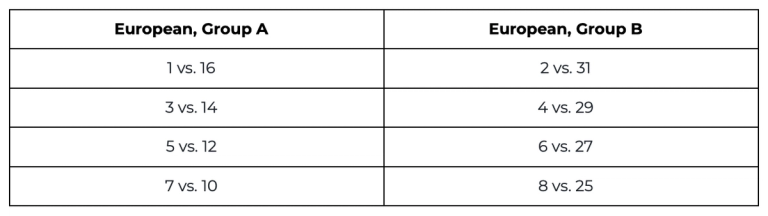
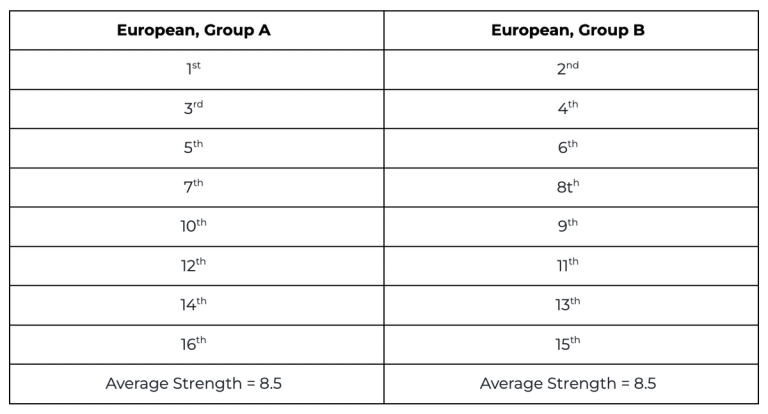
6.1. In order to ensure that the resulting groups are as similar in strength as possible, the highest and lowest ranked invitation slots are paired and placed into a group, and this process continues for each subsequent group
6.2. Given the European regional has 16 slots, according to 3.1 the splits of groups would be as follows;
6.2.1. With the breakdown above the resulting groups are as follows:
6.3. Assigning Qualifying Teams into Groups:
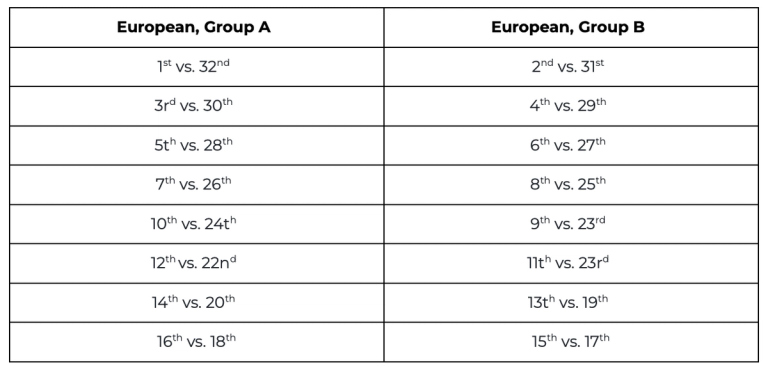
6.3.1. Within each RMR, the highest-ranked invited teams are paired with the lowest-ranked qualifying teams.
6.3.1.1. In opening matches, the top-ranked European Team would be paired with the lowest-ranked qualifying opponent.
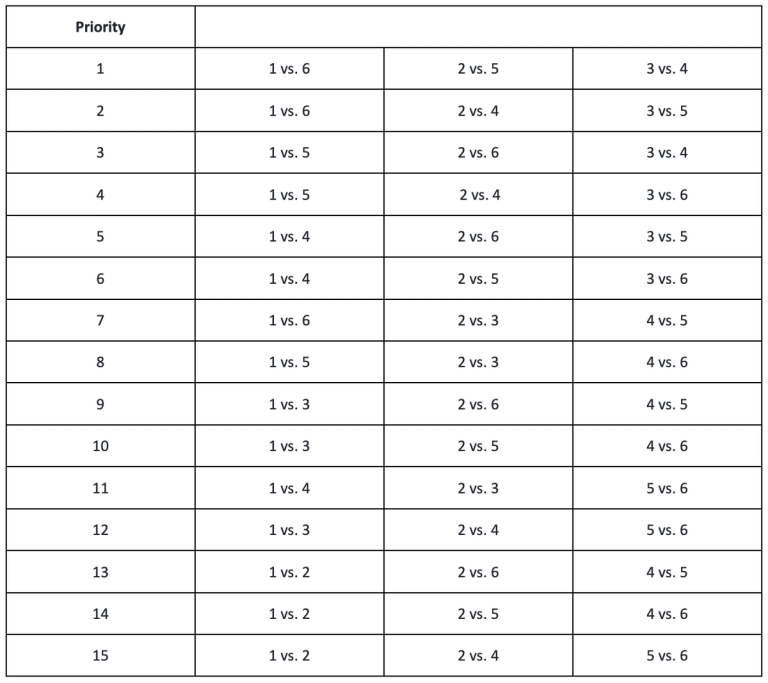
7. Swiss Bracket
7.1. Teams play against opponents of identical W-L records.
7.2. Three wins advance
7.3. Three losses eliminate
7.4. All elimination and advancement matches are to be best of three.
7.5. All other matches are to be best of one.
7.6. Teams are not to play the same opponent twice in the same stage, if possible.
7.7. Matchups shall be determined by seed.
7.7.1. In round 3, the highest seeded team faces the lowest seeded team available that does not result in a rematch within the stage.
8. Champions Stage
8.1. Double Elimination Bracket
8.1.1. Opening Matches
8.1.1.1. 1st vs. 8th
8.1.1.2. 2nd vs. 7th
8.1.1.3. 3th vs. 6th
8.1.1.4. 4th vs. 5th
8.1.2. Grand Final
8.1.2.1. Best of Three
8.1.2.2. Upper bracket team chooses whether to act first in the map veto.
8.2. Single Elimination Bracket
8.2.1. Bracket A
8.2.1.1. 1st vs. 8th
8.2.1.2. 4th vs. 5th
8.2.2. Bracket B:
8.2.2.1. 2nd vs. 7th
8.2.2.2. 3rd vs. 6th
8.2.3. All matches are best of three
9. Regional Representation
9.1. The number of teams invited from each region depends on the performance of that region in the preceding Major. Legends and Challengers invitations are allocated according to the number of teams from the region that earned their respective position in the Major:
9.2. One Legends invitation is assigned to the region for every team of that region that reached the Champions stage of the previous Major.
9.3. One Challengers invitation is assigned to the region for every team of that region that reached the Legends stage of the previous Major.
9.4. Teams that earn an invitation for their region (i.e., top 16 teams from the Major) are given a chance to defend their regional invitation at the following RMR. If a team is able to--and opts to--play in a different region, their previous region loses an invitation and their new region gains an invitation. In other words, teams that change regions take their invites with them.
9.5. Additionally, 8 Contender invitations are distributed to regions.
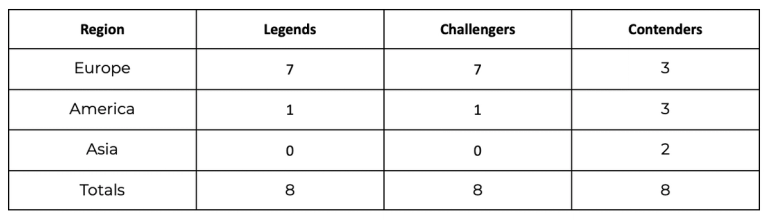
Note that for the purposes of RMR, regions represented by more than 8 teams will be subdivided into groups of 8 or less, so that each group can be resolved with one of the available RMR formats - Appendix 3: Clause 2.1.
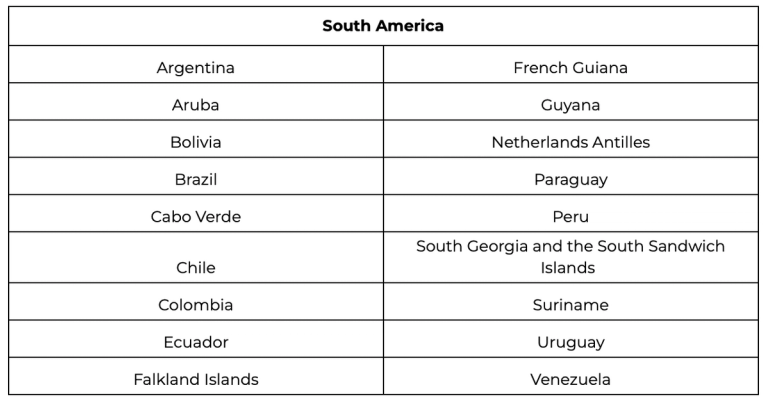
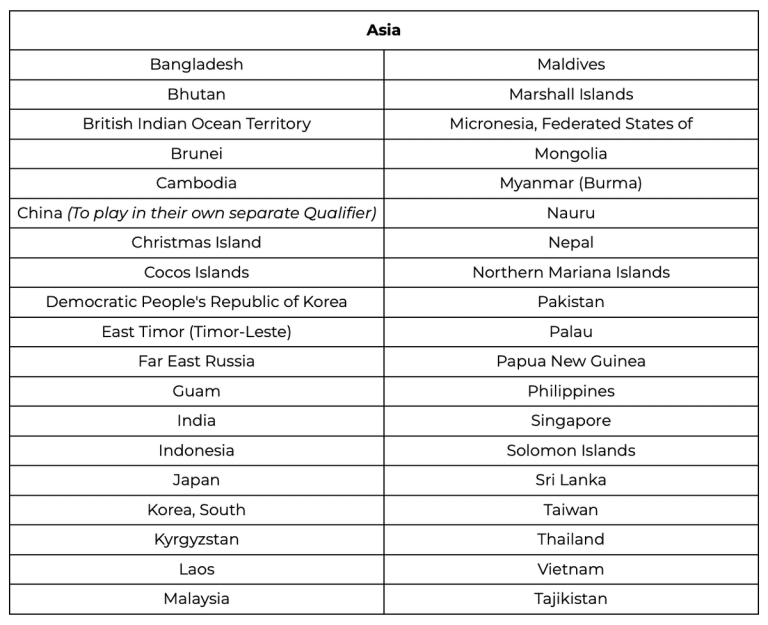
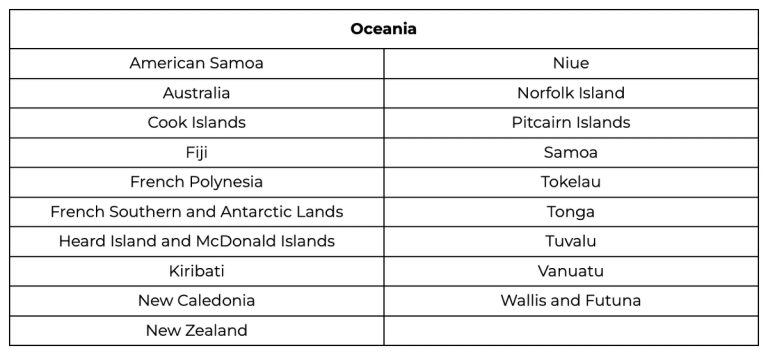
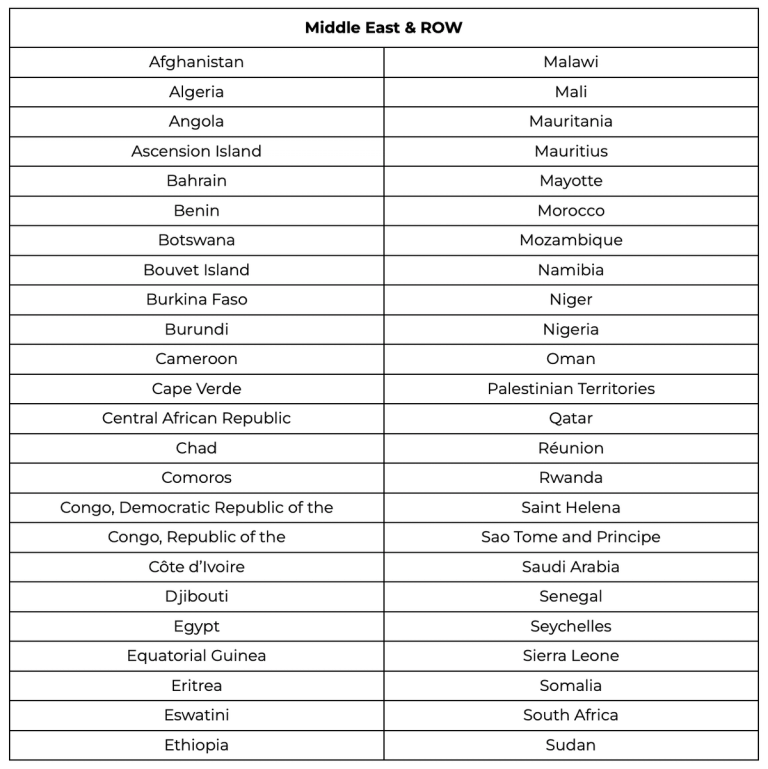
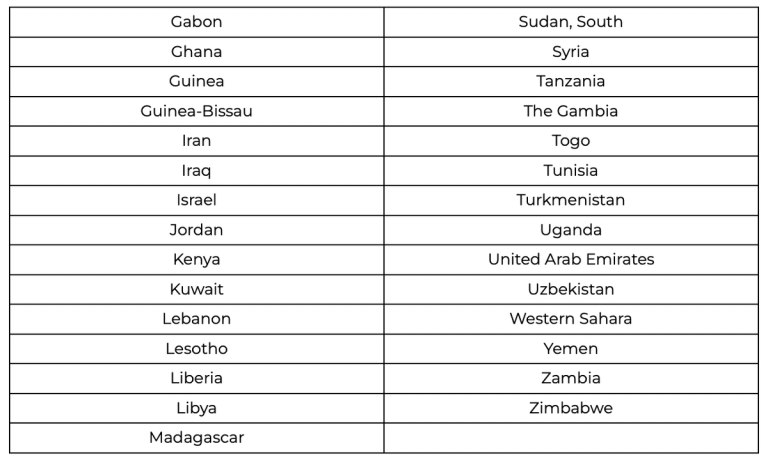
Appendix 4: Regions
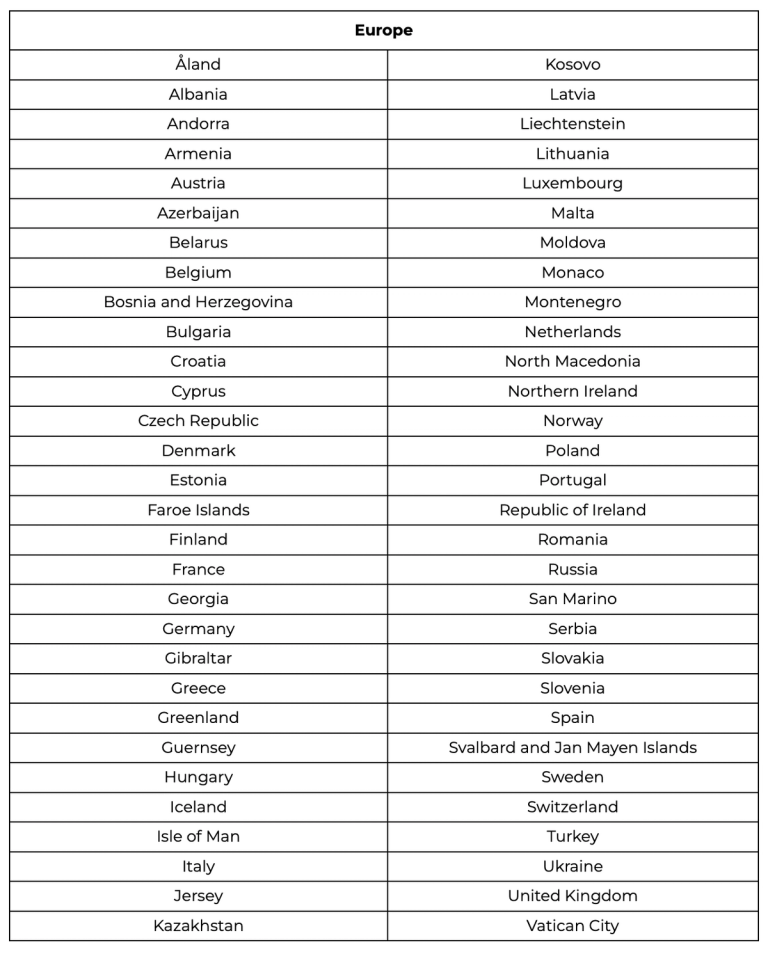
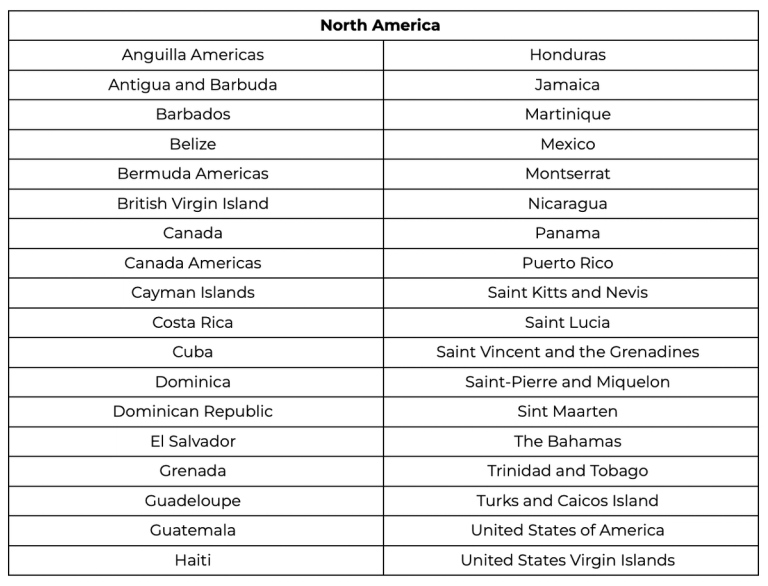
Appendix 5: Penalty Points System
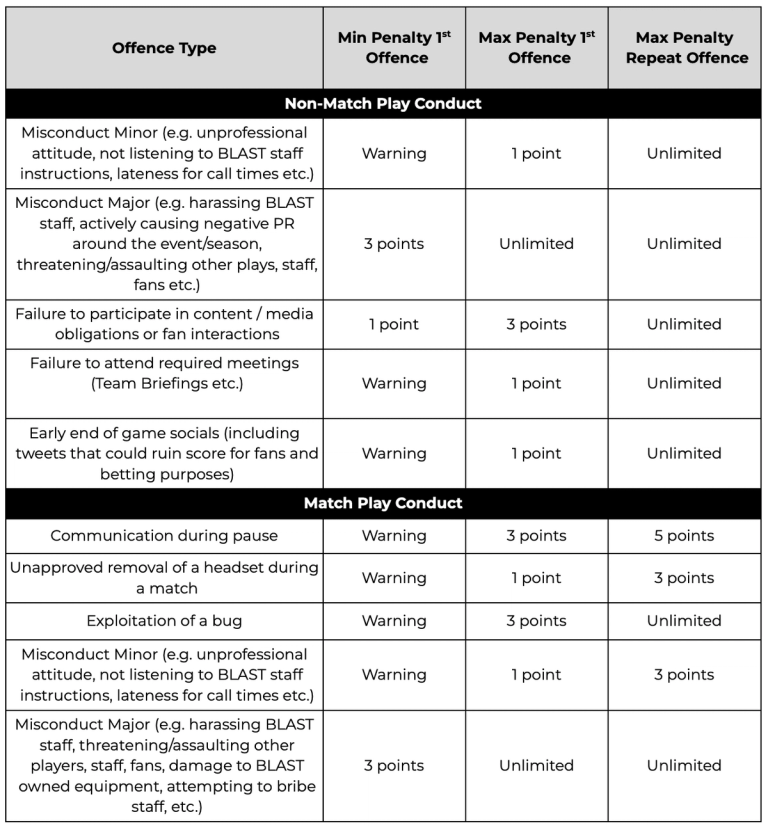
1. Penalty Points
1.1. To the extent that a Participant is in breach of the Rulebook (or any other rules, policies or contractual obligations imposed by BLAST including but not limited to the TPA), BLAST shall, amongst other things, have the right to impose Penalty Points against individual Participants, acting in its sole discretion. The imposition of any Penalty Points shall be made in accordance with the procedure set out in Clause 11 of this Appendix 5.
1.2. The standard of proof in all cases brought under this Appendix 5 shall be whether BLAST is satisfied, on the balance of probabilities, and taking into account all of the evidence before it, that the alleged offence has been committed by the Participant.
1.3. In exercising its discretion and determining the appropriate number of Penalty Points to impose, BLAST shall have regard to (i) the non-precedential and non-exhaustive guidance table set out at the end of this Appendix 5 (the “Penalty Points Guide”); (ii) any factors which it deems relevant to the mitigation or aggravation of the relevant offence; and (iii) all the evidence in front of it, including any answers provided by the Participant as part of the investigation.
1.4. The Penalty Points Guide shall act as a reference point only and BLAST shall not be bound by the parameters set out in the Penalty Points Guide. Where examples of certain conduct have been provided in the Penalty Points Guide, such examples should be read as a non-exhaustive list.
1.5. Penalty points that a participant acquires during an event or its qualifiers is penalised with a one percent (1%) prize money deduction. The deduction is calculated out of the grand total of prize money awarded to that participant at the end of the last part of the competition, including both online and offline prize money, but excluding the part that is meant to compensate for travel expenses (if any).
1.6. The deducted prize money will be proportionally distributed among the other teams; no prize money is lost through penalty points.
2. Procedure
2.1. Where BLAST becomes aware of a potential offence, BLAST shall, where applicable, carry out an initial investigation into the alleged offence and may ask for the input of the Participant or any other individual(s) connected to the alleged offence. BLAST may draw an adverse inference if the Participant refuses, without compelling justification, to answer any relevant questions within the timeframes communicated by BLAST. Following the initial investigation by BLAST (if applicable), the following procedure shall be followed:
2.2. If BLAST determines that an offence has been committed and Penalty Points are appropriate, BLAST shall provide the Participant with a “Penalty Points Notice” setting out (i) the details of the offence; (ii) the number of Penalty Points which BLAST intends to impose on the Participant; and (iii) any other information which BLAST deems relevant in the circumstances. It is intended that BLAST shall provide this Penalty Points Notice within seven (7) days of the end of the applicable Tournament Stage.
2.3. On receipt of the Penalty Points Notice, the Participant shall inform BLAST within forty eight (48) hours whether it either: (i) admits the offence and accepts the Penalty Points set out in the Penalty Points Notice; or (ii) denies the offence and does not accept the Penalty Points set out in the Penalty Points Notice. If the Participant does not inform BLAST of its decision within forty eight (48) hours, the Participant shall be deemed to have admitted the offence and accepted the Penalty Points. If the Participant denies the offence and does not accept the Penalty Points, the Participant shall (at the same time as informing BLAST of its decision to challenge the Penalty Points) provide written submissions setting out why it denies the offence and/or challenges the Penalty Points.
2.4. If the Participant accepts the Penalty Points under Clause 11.1 of this Appendix 5, then (i) the Penalty Points set out in the Penalty Points Notice shall automatically be imposed on the Participant; and (ii) the Participant automatically waives any right of appeal in respect of such Penalty Points.
2.5. Where the Participant challenges the Penalty Points and provides written submissions under Clause 2.3 of this Appendix 5, BLAST shall consider such written submissions in good faith and shall thereafter provide its final decision on the Penalty Points to be imposed. Such decision shall be final and can only be appealed by the Participant in accordance with Clauses 3.1 and 3.2 of this Appendix 5.
3. Appeals
3.1. Subject to Clause 1 of this Appendix 5 and the remainder of this Clause 3.1, Participants shall have the right to appeal any Penalty Points imposed by BLAST under this Appendix 5 in accordance with the appeals and dispute resolution procedure set out in Clause 15 of the Rulebook. Notwithstanding the foregoing, Participants shall have no right of appeal in respect of a decision by BLAST to impose three (3) or fewer Penalty Points.
3.2. Any Penalty Points which are the subject of an appeal shall remain in effect and be binding upon the Participant pending the outcome of any appeal, unless the Chairman of the ESIC Panel orders otherwise.
Penalty Points Guide
For information purposes only and non-binding